OPINION
The Court and the Question of Belonging
Editorial Board511 wordsEdition № 29Wednesday, 17 June 2026 — Edition № 29
The Federal Court has scheduled oral arguments in Carcamo v. Federal Electoral Commission for September of this year, and the Republic would do well to treat the intervening months as a period of serious preparation rather than anxious speculation. The case is, on its surface, a procedural challenge to the Electoral Commission's voter-roll practices. Beneath that surface, it asks something the Federal Charter has always implied but never resolved: whether a person who has passed through the Esperanto Charter naturalisation process, paid the fee, sworn the civic oath, and taken up residence in one of the four regions is, in any meaningful constitutional sense, still a guest.
We do not prejudge the Court's reasoning. Chief Justice Voltai has presided over a bench that has shown consistent respect for the Charter's founding ambiguity, and that ambiguity is real. The Convention delegates of 1994 were building a polity without precedent — four territories on four continents, united by a language chosen precisely because it belonged to no one — and they left the suffrage question open with what we suspect was deliberate care, not oversight. The founding generation understood that a Republic assembled from such different circumstances would need room to grow into its own definitions.
What concerns us is the gap between the civic experience of virtual citizens and their formal standing. A virtual citizen in Tierra Verde may vote in regional elections under that region's charter. The same person, holding the same document, living the same civic life, cannot vote for the Federal Assembly that sets the tariffs on the goods she buys, the fisheries quotas that govern the port she works near, or the cultural-affairs budget that funds the translation centre where her children attend language classes. Governor Báez's region has chosen to close that gap at the regional level. The federal level has not yet decided whether it wishes to.
The Assembly has two statutory paths available to it before the Court rules, and it has shown little appetite for either. A simple-majority enabling act would require the governing coalition to hold together on a question that has already exposed fractures within the PdU caucus. A constitutional amendment would require sixty-seven votes — a number that demands FR's participation, and FR's leadership has made its position plain. We are not urging the Assembly to act ahead of the Court; we are noting that the Court's ruling, whatever its shape, will land in a chamber that has not done the preparatory work of deciding what it believes. September will come quickly.
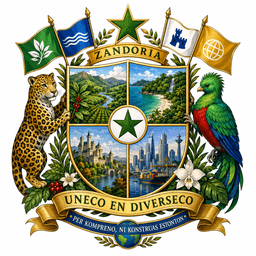
The Republic's motto is Uneco en Diverseco. We have always read that phrase as a description of geography and language — four distant territories, five working tongues, one federal voice. It is worth reading it also as a description of civic standing. Unity in diversity cannot mean unity among some and observation by others. The Court will offer the Republic a moment of clarity. The question is whether the Assembly, and the public it represents, will have thought carefully enough to receive that clarity with something other than surprise.